Back Pain Solutions: Non-surgical and Surgical Approaches – How to manage and treat back pain.


Back pain is one of the leading causes of discomfort, reduced productivity, and missed workdays worldwide. It can affect people of all ages and lifestyles, from office workers and drivers to athletes and older adults. The spine plays a crucial role in providing support, balance, and movement, so even minor issues can significantly impact daily life. Understanding the causes of back pain and the available treatment options—both non-surgical and surgical—can help individuals make informed decisions and regain a pain-free, active life.
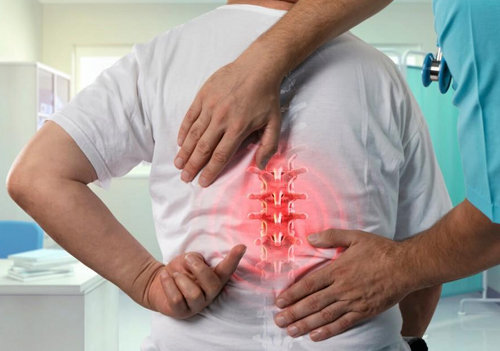
Best Doctor for Back Treatment in Panchkula

Common Causes of Back Pain

Back pain may develop suddenly or gradually, depending on its cause. Some of the most common contributors include:

  • Muscle Strain and Ligament Sprain Overexertion, poor posture, or lifting heavy objects incorrectly can strain muscles and ligaments in the back. This is one of the most frequent causes of acute back pain and often improves with rest and conservative care.
  • Herniated or Slipped Disc Intervertebral discs act as cushions between the bones of the spine. When a disc bulges or ruptures, it can compress nearby nerves, causing pain that may radiate to the arms or legs. This condition is commonly referred to as a herniated disc.
  • Degenerative Spine Conditions Age-related wear and tear can lead to conditions such as degenerative disc disease, spinal stenosis, or arthritis of the spine. These conditions often cause chronic stiffness and pain that worsen over time.
  • Poor Posture and Lifestyle Factors Prolonged sitting, lack of exercise, obesity, and stress can all contribute to ongoing back pain by increasing strain on the spine and surrounding muscles.

Diagnosing Back Pain

Proper diagnosis is essential for effective treatment. A doctor will begin with a detailed medical history and physical examination, assessing posture, range of motion, muscle strength, and nerve function.

  • X-ray helps detect bone problems such as fractures or spinal alignment issues.
  • MRI provides detailed images of discs, nerves, and soft tissues, making it especially useful for identifying disc herniation or nerve compression.

In certain cases, blood tests or nerve studies may be advised to rule out infection or neurological conditions.

Non-Surgical Treatments for Back Pain

Most cases of back pain can be managed effectively without surgery. Non-surgical approaches are usually the first line of treatment.

  • Rest and Activity Modification Short periods of rest combined with avoiding activities that aggravate pain allow inflamed tissues to heal. Prolonged bed rest, however, is generally discouraged.
  • Medications Pain relievers, anti-inflammatory drugs, and muscle relaxants help reduce pain and stiffness. These are typically used for short-term relief under medical supervision.
  • Physiotherapy physiotherapy is one of the most effective long-term solutions for back pain. A structured exercise program strengthens core muscles, improves flexibility, corrects posture, and reduces the risk of recurrence.
  • Lifestyle and Ergonomic Changes Maintaining a healthy weight, practicing proper lifting techniques, using ergonomic chairs, and incorporating regular stretching into daily routines can significantly ease back strain.
  • Injections and Pain Management Techniques Epidural steroid injections or nerve blocks may be recommended for patients with persistent pain due to nerve irritation or inflammation.

Surgical Treatment Options

Surgery is considered only when non-surgical treatments fail to provide relief or when there is significant nerve compression, weakness, or loss of bladder or bowel control.

Common surgical procedures include discectomy (removal of part of a herniated disc), laminectomy (relieving pressure on spinal nerves), and spinal fusion to stabilize the spine. Advances in minimally invasive techniques have improved recovery times and reduced post-operative discomfort.

Recovery and Long-Term Back Care

Whether treated surgically or non-surgically, long-term success depends on rehabilitation and lifestyle changes. Regular exercise, good posture, stress management, and adherence to physiotherapy exercises are essential for preventing recurrence.

Back pain can be challenging, but it is highly manageable with the right approach. From non-surgical treatments like physiotherapy and lifestyle modifications to advanced surgical interventions when necessary, there are effective solutions for most types of back pain. Early diagnosis, personalized treatment, and consistent follow-up with a healthcare professional can help restore mobility, reduce pain, and improve overall quality of life.

We Are Featured In

Book An Appointment

Orthopro Orthopaedics provides comprehensive Orthopaedic Care with Joint Replacement specific specialist teams in a holistic manner.

CONTACT

DSS-265, Sector 20, Panchkula

+91 89686-41726

vikramjit_singh91@yahoo.com

Follow Us

© 2025. All Rights Reserved. | Designed by AMS Informatics

Top +91 89686-41726