An injury to the Anterior Cruciate Ligament (ACL) can be life-altering, especially for athletes and physically active individuals. The ACL is a key ligament in the knee that provides stability during movements such as running, pivoting, and sudden stops. When it is torn, ACL reconstruction surgery is often recommended to restore knee function and prevent long-term damage. This guide explains what to expect from ACL reconstruction surgery and offers practical recovery and rehabilitation tips.
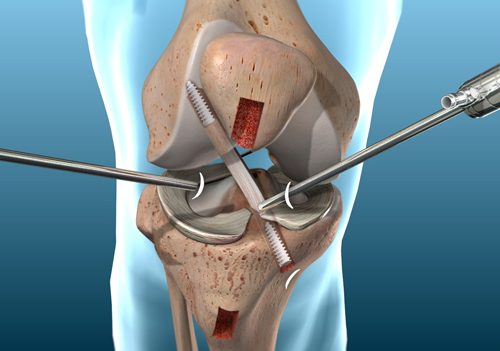
ACL reconstruction is a surgical procedure performed to replace a torn ACL with a graft. Since the ACL cannot heal on its own, reconstruction is necessary when instability, pain, or restricted movement affects daily life or sports
performance. The graft is usually taken from the patient’s own body (hamstring tendon, patellar tendon, or quadriceps tendon) or from a donor.
The surgery is minimally invasive and is typically done using arthroscopy, which involves small incisions and a camera-guided approach. Most patients can go home the same day.
Before undergoing ACL reconstruction, your orthopedic surgeon will conduct imaging tests such as an MRI to assess the extent of the injury. Prehabilitation (pre-surgery physiotherapy) is often advised to reduce swelling, restore knee
movement, and strengthen surrounding muscles. Being physically prepared before surgery significantly improves recovery outcomes.
You may be asked to stop certain medications and follow fasting instructions prior to the procedure. Mental preparation is equally important—understanding the recovery timeline helps set realistic expectations.
During surgery, the damaged ACL is removed and replaced with the graft, which is secured in place using special screws or fixation devices. The procedure usually takes one to two hours. Since it is performed under spinal or general
anesthesia, you will not feel pain during the surgery.
Post-surgery, your knee will be bandaged, and you may be fitted with a brace to protect the joint.
Recovery after ACL reconstruction is gradual and requires patience and commitment.
Most patients regain excellent knee stability and return to normal activities after ACL reconstruction. However, long-term success depends on adherence to rehabilitation and maintaining muscle strength even after recovery.
With proper care, guidance, and commitment, ACL reconstruction surgery can help you regain confidence, mobility, and an active lifestyle.
ACL reconstruction surgery is a proven and effective solution for restoring knee stability after an ACL tear. Knowing what to expect before surgery, understanding the recovery process, and following disciplined rehabilitation
are key to successful outcomes. If you suspect an ACL injury or are considering surgery, consult an experienced orthopedic specialist to guide you through the best treatment plan for your needs.

Orthopro Orthopaedics provides comprehensive Orthopaedic Care with Joint Replacement specific specialist teams in a holistic manner.
© 2025. All Rights Reserved. | Designed by AMS Informatics