A fracture, commonly known as a broken bone, is a frequent orthopedic injury that can affect people of all ages. Whether caused by a fall, road accident, sports injury, or underlying bone weakness, fractures require timely and appropriate medical care to ensure proper healing and restoration of function. Understanding the complete journey of fracture management—from diagnosis to recovery—helps patients actively participate in their healing process and achieve better outcomes.
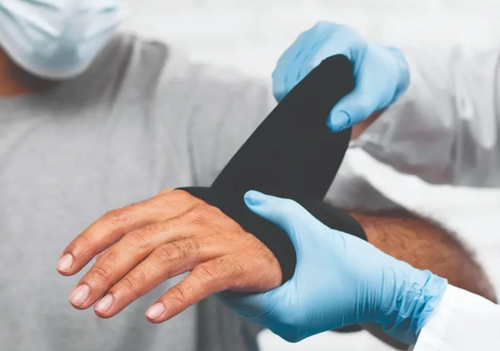
A fracture is a break or crack in the continuity of a bone. It can range from a simple hairline crack to a complete break where the bone fragments are displaced. Fractures may be classified as closed (skin intact), open (bone protrudes through the skin), stable, unstable, or stress-related. The severity and type of fracture largely determine the treatment approach and recovery time.
Accurate diagnosis is the foundation of effective fracture management. When a fracture is suspected, a doctor begins with a clinical examination, assessing pain, swelling, deformity, and the ability to move the affected limb.
Early and precise diagnosis ensures the right treatment plan and prevents long-term complications.
Once a fracture is diagnosed, the immediate goal is to relieve pain, prevent further injury, and stabilize the bone.
Pain relief medications are administered, and the injured area is immobilized using splints or temporary supports. Immobilization prevents movement of the broken bone, reduces pain, and protects surrounding tissues.
If the bone fragments are misaligned, the doctor may perform a reduction. This can be:
The definitive treatment depends on the type, location, and severity of the fracture, as well as the patient’s age and activity level.
For simple and stable fractures, a plaster or fiberglass cast is applied to keep the bone in proper alignment during healing. Casts typically remain in place for several weeks, depending on the bone involved.
Surgery is required for displaced, unstable, open, or joint-related fractures. Metal plates, screws, rods, or wires are used to hold the bone fragments together and allow proper healing. Surgical fixation helps restore anatomy and enables earlier movement in many cases.
Bone healing is a natural biological process that occurs in stages:
Healing time varies depending on the bone involved, age, nutrition, and overall health. While small bones may heal in 4–6 weeks, larger bones can take several months.
Rehabilitation is a critical but often underestimated part of fracture management. Prolonged immobilization can lead to stiffness, muscle weakness, and reduced joint mobility.
physiotherapy helps restore strength, flexibility, and range of motion once the bone has healed sufficiently. A personalized exercise program gradually reintroduces movement and improves functional recovery.
Patients are advised to follow rehabilitation protocols strictly and avoid returning to strenuous activities too early, as this may risk re-fracture.
Proper nutrition plays a vital role in fracture recovery. Adequate intake of calcium, vitamin D, protein, and other minerals supports bone regeneration. Avoiding smoking and excessive alcohol consumption is equally important, as these can delay bone healing.
Maintaining a positive mindset and adhering to medical advice also significantly influence recovery outcomes.
Although most fractures heal well, complications may occur if care is delayed or incomplete. These include delayed union, non-union (failure to heal), infection (especially in open fractures), and joint stiffness. Regular follow-up visits help detect and manage these issues early.
Fracture management is a structured process that extends well beyond placing a cast or performing surgery. From accurate diagnosis and appropriate stabilization to guided rehabilitation and lifestyle modifications, each step plays a vital role in ensuring complete recovery. With timely medical care, patient cooperation, and proper rehabilitation, most fractures heal successfully, allowing individuals to return to their normal activities with strength and confidence.

Orthopro Orthopaedics provides comprehensive Orthopaedic Care with Joint Replacement specific specialist teams in a holistic manner.
© 2025. All Rights Reserved. | Designed by AMS Informatics