How Long Does Hip Replacement Recovery Take?


Hip replacement surgery is one of the most successful orthopedic procedures for relieving chronic hip pain and restoring mobility. It is commonly recommended for patients suffering from severe osteoarthritis, rheumatoid arthritis, avascular necrosis, or hip fractures.

One of the most common questions patients ask before surgery is: How long does hip replacement recovery take?

The answer depends on several factors, including age, overall health, type of surgery, and commitment to rehabilitation. Let’s break down the recovery timeline step by step so you know what to expect.
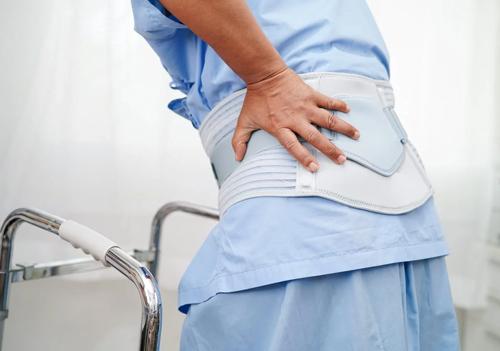
How Long Does Hip Replacement Recovery Take?

What Is Hip Replacement Surgery?

Hip replacement (also called total hip arthroplasty) involves removing the damaged portions of the hip joint and replacing them with artificial components made of metal, ceramic, or durable plastic. The goal is to relieve pain, improve function, and enhance quality of life.

Modern surgical techniques have made recovery faster and safer than ever before.

Hospital Stay (2–5 Days)

Most patients stay in the hospital for about 2 to 5 days after surgery, depending on their condition and the type of procedure performed.

Within 24 hours of surgery:

  • You may be encouraged to sit up.
  • A physiotherapist will help you stand and take a few steps.
  • Pain management will be closely monitored.

Early movement is crucial to prevent complications like blood clots and stiffness.

Week 1 to Week 3: Early Home Recovery

Once discharged, recovery continues at home.

During this phase:

  • You’ll use a walker or crutches for support.
  • Daily physiotherapy exercises are essential.
  • Mild swelling and discomfort are normal.
  • Stitches or staples are usually removed within 10–14 days.

By the end of 2–3 weeks:

  • Many patients can walk short distances with minimal support.
  • Pain significantly decreases.
  • Daily activities like sitting and standing become easier.

Week 4 to Week 6: Regaining Strength

Around one month after surgery:

  • You may transition from a walker to a cane.
  • Muscle strength gradually improves.
  • Driving may be possible (if approved by your doctor).
  • Light household activities can resume.

At this stage, patients typically feel much more confident walking and moving.

6 Weeks to 3 Months: Major Improvement Phase

By 6 weeks:

  • Most patients walk independently or with minimal support.
  • Pain is significantly reduced compared to pre-surgery levels.
  • Range of motion improves steadily.

Between 8–12 weeks:

  • You can usually return to work (depending on job type).
  • Low-impact exercises such as swimming or cycling may begin.
  • Physical therapy continues to build muscle strength.

For many people, this period marks a major turning point in recovery.

3 Months to 6 Months: Advanced Recovery

By 3 months:

  • Most daily activities can be performed comfortably.
  • Walking longer distances becomes easier.
  • Stiffness reduces considerably.

Between 4–6 months:

  • Muscles around the hip continue strengthening.
  • Balance and flexibility improve.
  • Patients often resume most normal activities.
  • However, complete internal healing continues gradually.

Full Recovery: 6 Months to 1 Year

Although most functional recovery happens within 3–6 months, full recovery can take up to one year.
By 12 months:

  • The joint feels natural.
  • Scar tissue softens.
  • Muscle strength fully stabilizes.
  • You can enjoy an active, pain-free lifestyle.

Factors That Affect Recovery Time

Recovery speed varies from person to person. Factors include:

  • Age Younger patients may recover faster due to better muscle strength.
  • Overall Health Conditions like diabetes, obesity, or heart disease can slow healing.
  • Type of Surgery Minimally invasive techniques may allow quicker recovery compared to traditional methods.
  • Commitment to Physiotherapy Regular exercises play a crucial role in strengthening muscles and preventing stiffness.
  • Pre-Surgery Fitness Stronger muscles before surgery often lead to smoother recovery.

What Activities Should Be Avoided?

During recovery, you should avoid:

  • Crossing your legs
  • Sitting in very low chairs
  • Twisting your hip suddenly

High-impact sports like running or jumping (unless cleared by your doctor)

Following precautions reduces the risk of dislocation.

When Can You Return to Normal Life?

Here’s a general timeline:

  • Walking without support: 4–6 weeks
  • Driving: 4–6 weeks (if approved)
  • Office work: 6–8 weeks
  • Physically demanding jobs: 3 months or more
  • Full activity: 6–12 months

Always follow your orthopedic surgeon’s guidance.

Signs You Should Contact Your Doctor

While recovery is generally smooth, seek medical help if you experience:

  • Persistent fever
  • Increasing redness or swelling
  • Severe pain
  • Sudden leg swelling
  • Difficulty moving the hip

Early attention prevents complications.

So, how long does hip replacement recovery take?

Most patients see significant improvement within 6–12 weeks, with full recovery taking up to a year. The journey requires patience, consistent physiotherapy, and proper medical follow-up.

The good news is that hip replacement surgery has a high success rate and dramatically improves quality of life. With the right care and rehabilitation, you can return to daily activities with reduced pain and better mobility.

Recovery is a gradual process — but for most patients, the result is a stronger, pain-free future.

We Are Featured In

Book An Appointment

Orthopro Orthopaedics provides comprehensive Orthopaedic Care with Joint Replacement specific specialist teams in a holistic manner.

CONTACT

DSS-265, Sector 20, Panchkula

+91 89686-41726

vikramjit_singh91@yahoo.com

Follow Us

© 2025. All Rights Reserved. | Designed by AMS Informatics

Top +91 89686-41726