Chronic knee pain is more than just a physical discomfort—it can limit mobility, reduce independence, and affect overall quality of life. When simple activities like walking, climbing stairs, or standing for long periods become painful despite medications and therapy, surgical intervention may be the next step. Total Knee Replacement (TKR) is a well-established and highly successful procedure designed to relieve pain and restore knee function in patients with advanced joint damage. This blog explores the benefits of total knee replacement, who is an ideal candidate, what to expect from the procedure, and how expert care from Dr Vikramjit Singh, a leading orthopaedic doctor in Panchkula, can guide you toward a pain-free life.
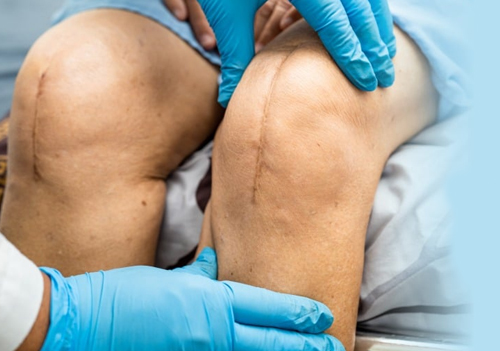
Total knee replacement, also known as total knee arthroplasty, involves removing damaged cartilage and bone from the knee joint and replacing them with artificial components made of metal and high-grade medical plastic. These implants mimic the natural movement of the knee while eliminating the painful friction caused by worn-out joint surfaces
The procedure is most commonly recommended for patients suffering from advanced knee osteoarthritis, rheumatoid arthritis, or severe knee damage following injury. The primary goals are pain relief, improved mobility, and long-term joint stability.
For the right patient, total knee replacement can be life-changing. Some of the key benefits include:
The most significant benefit is the reduction or complete elimination of chronic knee pain. By replacing the damaged joint surfaces, TKR addresses the root cause of pain rather than just managing symptoms.
Patients often experience a dramatic improvement in their ability to walk, climb stairs, and perform daily activities with greater ease and confidence.
With reduced pain and improved movement, patients can return to social activities, travel, and enjoy hobbies that were previously limited by knee discomfort.
Modern knee implants are designed to last 15 to 20 years or more, especially when combined with a healthy lifestyle and regular follow-up care.
Total knee replacement is not solely based on age—it depends on symptoms, functional limitations, and how much the knee joint is damaged.
Most candidates are above the age of 50, but younger patients with severe arthritis or joint damage may also be considered if their quality of life is significantly affected.
In early stages of arthritis or knee pain, conservative treatments are usually recommended first. These may include weight management, exercise, physiotherapy, medications, knee braces, and lifestyle modifications. Surgery is considered when these options no longer provide relief and imaging studies show advanced joint degeneration.
An experienced orthopaedic specialist plays a crucial role in deciding the right time for surgery—neither too early nor too late.
Once total knee replacement is advised, thorough pre-operative evaluation is essential. This includes blood tests, cardiac assessment, and imaging such as X-ray to assess the extent of joint damage and plan implant positioning.
Understanding the procedure and recovery timeline helps reduce anxiety and sets realistic expectations.
Total knee replacement surgery typically takes one to two hours and is performed under spinal or general anesthesia. During the procedure, the surgeon carefully removes damaged bone and cartilage and positions the artificial joint components for optimal alignment and movement.
Most patients begin standing and walking with support within 24 hours. Hospital stays are usually short, followed by a structured rehabilitation program.
Choosing the right surgeon is as important as deciding on the surgery itself. Dr. Vikramjit Singh, a highly regarded orthopaedic doctor in Panchkula, is known for his patient-centric approach, clinical expertise, and commitment to ethical medical care.
His emphasis on clear communication ensures that patients understand every step of the treatment journey—from diagnosis to recovery—resulting in better outcomes and higher patient satisfaction.
Most patients report a significant improvement in comfort, mobility, and confidence after total knee replacement. While high-impact sports may be discouraged, activities such as walking, swimming, and cycling are generally safe and beneficial.
Maintaining a healthy weight, staying active, and attending regular follow-ups help prolong implant life and preserve joint function.
Total knee replacement is a proven and effective solution for individuals suffering from severe knee pain when conservative treatments no longer work. Understanding the benefits, knowing whether you are the right candidate, and having realistic expectations about recovery are essential for making an informed decision. With expert care and guidance from Dr. Vikramjit Singh, patients in Panchkula can look forward to safe surgery, structured recovery, and a renewed, pain-free quality of life.

Orthopro Orthopaedics provides comprehensive Orthopaedic Care with Joint Replacement specific specialist teams in a holistic manner.
© 2025. All Rights Reserved. | Designed by AMS Informatics