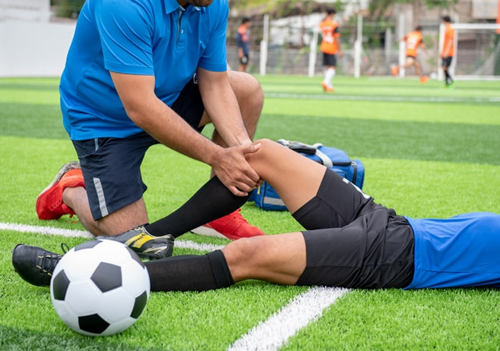
Sports Injuries in Athletes: Prevention & Treatment Strategies – Tips for Active Individuals and Athletes By Dr Vikramjit Singh Baath
Sports and physical activity play a vital role in maintaining fitness, discipline, and mental well-being. However, with increased participation in competitive and recreational sports, the risk of injuries also rises. Sports injuries can affect athletes of all levels—from school players and fitness enthusiasts to professional sportsmen. Understanding common sports injuries, how to prevent them, and the right treatment strategies is essential for staying active and injury-free.
Common Sports Injuries in Athletes
Sports injuries usually occur due to overuse, improper technique, inadequate warm-up, or sudden trauma. Some of the most frequently seen injuries include:
- Ligament Injuries: Ligament tears are common in sports that involve sudden twisting, jumping, or direction changes. Injuries to the Anterior Cruciate Ligament (ACL) in the knee are particularly common among footballers, basketball players, and cricketers. These injuries often cause pain, swelling, and joint instability.
- Muscle Strains and Tears: Hamstring, quadriceps, and calf muscle injuries frequently occur due to sudden acceleration or inadequate stretching. Muscle strains can range from mild discomfort to severe tears requiring prolonged rest.
- Tendon Injuries: Conditions such as Achilles tendinitis or tennis elbow result from repetitive stress and overuse. Tendon injuries often develop gradually and worsen if ignored.
- Fractures and Stress Fractures: Direct impact or repetitive load on bones can cause fractures or stress fractures, especially in runners and contact sport athletes.
- Shoulder and Ankle Injuries: Dislocations, rotator cuff injuries, and ankle sprains are common in sports involving throwing, jumping, or sudden changes in movement.
Importance of Early Diagnosis
Ignoring pain or continuing to play through an injury can worsen the damage and prolong recovery. Early diagnosis allows for timely treatment and prevents long-term complications. Clinical examination supported by imaging such as X-ray or MRI helps accurately identify the extent of injury to bones, ligaments, or soft tissues.
Prevention Strategies for Sports Injuries
Prevention is always better than cure, especially for athletes who wish to maintain long-term performance and fitness.
- Proper Warm-Up and Cool-Down A structured warm-up prepares muscles and joints for activity by improving flexibility and blood flow. Cooling down after exercise reduces muscle stiffness and aids recovery.
- Strength and Conditioning Training Strong muscles support joints and reduce stress on ligaments and tendons. Core strengthening, balance training, and sport-specific conditioning are essential for injury prevention.
- Correct Technique and Equipment Using proper techniques during training and competition significantly lowers injury risk. Wearing appropriate footwear, protective gear, and braces when required provides additional safety.
- Adequate Rest and Recovery Overtraining is a major cause of sports injuries. Scheduling rest days and allowing the body to recover prevents fatigue-related injuries.
- Nutrition and Hydration A balanced diet rich in protein, calcium, and vitamins supports muscle and bone health. Proper hydration prevents cramps and muscle fatigue.
Treatment Strategies for Sports Injuries
Treatment depends on the type and severity of the injury. Early and appropriate management ensures faster and safer return to sports.
- Conservative Treatment Many sports injuries respond well to rest, ice application, compression, and elevation (RICE protocol). Pain-relieving medications and activity modification help reduce inflammation.
- Physiotherapy and Rehabilitation physiotherapy plays a central role in sports injury recovery. A structured rehabilitation program focuses on restoring strength, flexibility, balance, and coordination. Proper rehab reduces the risk of re-injury and improves performance.
- Advanced Non-Surgical Options In some cases, injections or specialized therapies may be recommended to reduce pain and promote healing in chronic tendon or joint injuries.
- Surgical Management Surgery is considered when injuries are severe or fail to respond to conservative treatment. Ligament reconstructions, fracture fixation, or tendon repairs help restore joint stability and function, especially in competitive athletes.
Safe Return to Sports
Returning to sports too early is one of the most common reasons for repeat injuries. Athletes should resume activity only after achieving adequate strength, flexibility, and confidence in the injured area. A gradual return-to-play protocol under medical supervision ensures safety and long-term success.
Final Advice for Athletes
Sports injuries are a part of an active lifestyle, but they should never be ignored. Early intervention, correct treatment, and disciplined rehabilitation are key to full recovery. Just as important is injury prevention through proper training, nutrition, and rest.
Staying active and injury-free requires awareness, preparation, and professional guidance. With the right preventive strategies and timely treatment, athletes can continue to perform at their best while minimizing injury risks. Under the expert care and guidance of Dr. Vikramjit Singh Baath, athletes and active individuals can expect accurate diagnosis, personalized treatment plans, and a safe return to sports—ensuring long-term joint health and peak performance.
Sports Injuries Treatment: Safe Recovery and Return to Performance