Knee pain is one of the most common musculoskeletal complaints affecting people of all ages—from young athletes to older adults. The knee is a complex joint that bears body weight and enables essential movements such as walking, running, and climbing stairs. Because of its constant use and intricate structure, it is prone to injury, degeneration, and inflammation. Understanding the causes of knee pain, how it is diagnosed, and the available treatment options is key to maintaining long-term joint health.
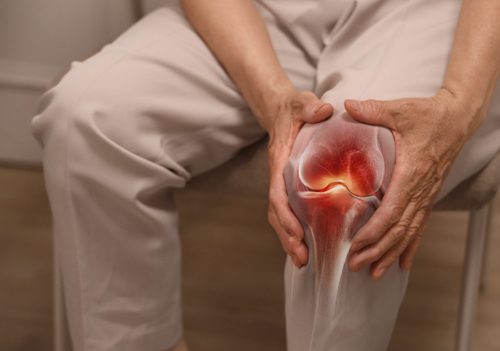
Knee pain can arise from injuries, overuse, age-related wear and tear, or underlying medical conditions. Some of the most common causes include:
While mild knee pain may resolve with rest, some symptoms require medical attention. These include persistent swelling, difficulty bearing weight, instability, locking of the knee, deformity, or pain that does not improve with basic care. Early evaluation can prevent further joint damage.
Accurate diagnosis is essential for effective treatment. A doctor will begin with a detailed medical history and physical examination to assess swelling, tenderness, range of motion, and stability.
In some cases, blood tests may be recommended to rule out infections or inflammatory conditions like rheumatoid arthritis.
Treatment depends on the underlying cause, severity of symptoms, age, and activity level of the patient. Most knee problems can be managed without surgery.
Knee braces, orthotic shoe inserts, and ice or heat therapy can provide additional relief and stability.
Corticosteroid or lubricating injections may be recommended for patients with arthritis or persistent inflammation to reduce pain and improve joint movement.
Surgery is considered when conservative treatments fail or in cases of severe injury. Procedures may range from arthroscopic repair of ligaments or meniscus tears to partial or total knee replacement in advanced arthritis.
Prevention is always better than cure. Maintaining a healthy weight, exercising regularly to strengthen leg muscles, warming up before physical activity, and using proper techniques during sports can significantly reduce the risk of knee problems.
Knee pain can significantly impact quality of life, but with timely diagnosis and appropriate treatment, most people can regain mobility and comfort. Whether the cause is an injury, overuse, or age-related degeneration, understanding your knee condition is the first step toward recovery. If knee pain persists or worsens, consulting an orthopedic specialist ensures the right treatment plan and helps protect your knee health in the long run.

Orthopro Orthopaedics provides comprehensive Orthopaedic Care with Joint Replacement specific specialist teams in a holistic manner.
© 2025. All Rights Reserved. | Designed by AMS Informatics